

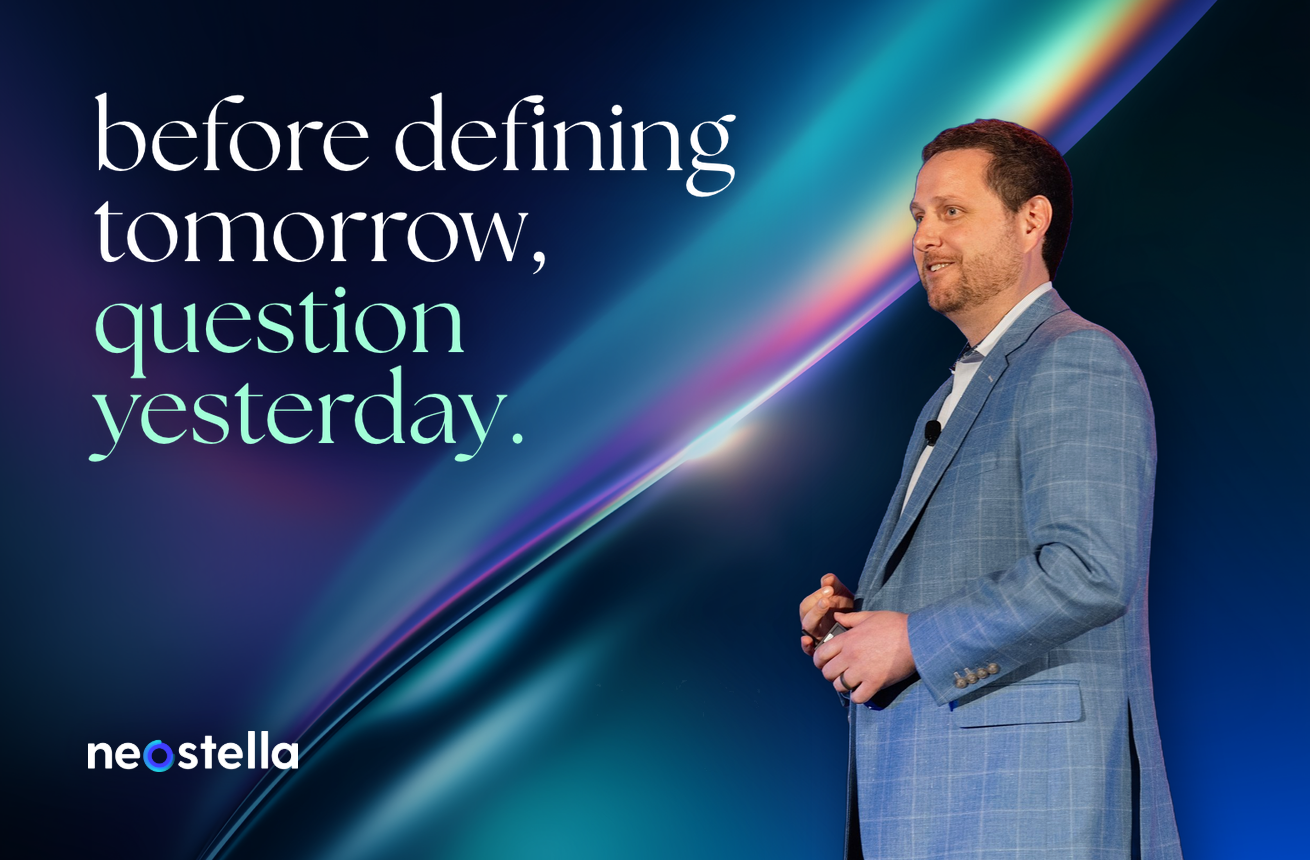
A lawyer can know a case inside and out and still walk into a courtroom unable to pull up the medical records or timeline needed to demonstrate a client’s injuries. Neostella CEO Matt Lautz has seen it happen. “A lot of courthouses are very, very old, [with] super cool architecture,” he said. “But Wi-Fi doesn’t get into a lot of the courtrooms.”
It’s a small example of a much larger problem. For years, the legal industry has operated with technology and processes that trail other industries by five to ten years. Many successful firms relied on outdated systems, disconnected workflows, and ways of working that hadn’t kept pace with the demands of a growing business.
For Lautz, the gap raised bigger questions about how law firms operated and what their technology should make possible. He saw an industry where the systems supporting them often created unnecessary work, limited visibility, and made it harder to serve clients effectively.
The opportunity was to rethink how technology could support the business of practicing law. That gap became the foundation for Neostella’s work in legal technology.
the business of practicing law
One of the first things that stood out to Lautz was the way many firms approached the business side of legal work.
“A lot of these law firms really weren’t running like businesses. They were running like law firms,” Lautz said.
As firms grew, many continued relying on the same processes and structures that had worked previously. The business side of running a law firm, from managing people and information to understanding operational performance, hadn’t always evolved alongside the practice itself.
The technology supporting that work often reflected the same disconnect. Much of it had been built by lawyers without backgrounds in enterprise applications, leaving gaps in scalability, security, and permissions. Firms needed technology that could support increasingly complex operations, but the market offered relatively few solutions built to address those needs.
the people holding it together
Some of the industry’s biggest operational challenges showed in the way law firms organized their teams.
As firms grow, each attorney often gets a dedicated paralegal who knows their cases, clients, and deadlines. While that creates familiarity and trust, it can also make it difficult to specialize or distribute work effectively.
Lautz offered a comparison: “You would never build a call center where customer support rep one only answers calls for sales rep one.”
When too much information lives with one person, absences can expose gaps, responsibilities become unevenly distributed, and leaders lose visibility into where work gets stuck. Those challenges affect more than internal operations. For clients recovering from injuries, pursuing disability benefits, or navigating mass tort litigation, the experience comes down to whether calls are returned, information is available, and the firm seems prepared.
For Lautz, operational decisions don’t stay behind the scenes. They shape the quality, consistency, and responsiveness of the experience clients receive.
when the old ways stopped working
For years, many law firms built successful practices around technology that was familiar, even when it wasn’t particularly flexible.
Lautz described how firms relied heavily on office-based systems, with remote access available to only a handful of employees. That arrangement worked when nearly everyone operated from the same building.
“It was crappy technology, but it did work,” Lautz said of some of the older systems.
Remote work changed that. Once teams became distributed, firms needed more than remote access to their existing systems. They needed technology designed to support how people actually work, wherever they work, from home offices to courtrooms.
AI is creating another reason to rethink those foundations. Lautz sees legal as one of the top handful of use cases for AI, with the potential to make people more effective and fundamentally change how legal work gets done.
Realizing that potential requires more than adding another tool. Firms need technology that can adapt, connect with emerging solutions, and support capabilities that haven’t even been developed yet.
the thinking that shaped neostella
“I think there’s a ton of things that they’re realizing. What they used to think worked doesn’t,” Lautz said.
The processes that carried a firm through its early years may not support its next stage of growth. Technology that once seemed sufficient can eventually become a limitation.
For firm leaders, the challenge isn’t just deciding what to replace. It’s understanding what needs to change. New software won’t fix inefficient processes, and adding people won’t solve problems caused by unclear responsibilities or disconnected teams.
For Lautz, this presented an opportunity to approach legal technology differently. Rather than simply digitizing existing processes, Neostella could help firms reconsider how their people, systems, and information worked together.
It also raised a bigger question: Why should a software provider have so much influence over what a law firm can do with its own information?
That question helped shape Neostella’s approach. Firms should own their data and have the flexibility to decide how their systems work together. Technology should connect people, processes, and information, not create more barriers.
The goal is to give firms a foundation that helps them operate, grow, and adapt as the industry changes. Better technology should serve the people doing the work and the clients depending on them. That thinking also sparked bigger questions about the future of legal work and what it will take to move the industry forward. Those conversations shouldn’t happen within a single company.
That became the foundation for NeoSummit.