
Ask who keeps a law firm running, and most people will point to the attorneys. They represent the client, build cases, and move the work forward.
Behind every case, however, is a layer of work that doesn’t get enough credit: deadlines tracked, handoffs made, documents chased, and processes that work if someone remembers. As firms invest in new technology to scale and grow, that layer is being asked to carry more than ever.
So who is holding it all together?
In most firms, the answer isn’t just the attorneys. It’s the operations leaders, case managers and paralegals who sit between the people, the processes, and the platforms.
from one case to the whole firm
For Lashay Dodd, Director of Operations at The Driscoll Firm and Founder of LexAvanta, that question has shaped her career. She started as a paralegal handling complex personal injury litigation, worked her way up through litigation management, and then moved into operations.
“It was a natural transition for me to go from working on individual cases with a few attorneys to working for the firm at large, with all of the attorneys in every department of the firm,” Dodd explains.
That path gives her a view few roles in a firm can match. She knows what a single case needs from the inside, and she now sees how every case, team, and department connects. It’s the place where the gaps between people, processes, and systems become impossible to miss. It’s from that seat that operations hold a firm together: not by doing every job, but by making sure every job connects.
tools can’t do it alone
“The biggest challenge facing law firms today is how they’re going to implement technology so that they can stay modern, scale, and grow,” says Dodd.
In her experience, the struggle often starts with expectations because “A lot of firms are buying technology, and they’re expecting it to be a magic solution for whatever problems they have, but they’re not properly prepared.”
Preparation comes down to structure. A firm’s environment has to make sense for the tool it buys, and its workflows have to be clear before anything is automated. “If they aren’t clear about their workflows and the way cases move through the firm, it can be really difficult for the technology they’ve purchased to actually work for them,” stated Dodd.
Think about how a case moves. From intake to resolution, identify where it changes hands and who decides what happens next. If a firm can’t describe the path, a new system can’t follow it. Technology can support the people holding a firm together, but it can’t do the work of deciding how the firm should run.
technology only works when people do
Even a well-structured firm can be hesitant when a new tool reaches the people expected to use it. Dodd sees adoption as the point where many implementations succeed or quietly stall. She says, “If their teams don’t understand how it’s supposed to work, how that tool is supposed to help their clients, and if there’s some sort of fear surrounding the usage of that tool, it can be really difficult to have successful adoption.”
That fear is rarely about the software itself. It’s about what the change means for someone’s day, their role, and the clients they’ve built relationships with. This is where operations leaders hold things together. They help bridge that gap by making sure teams understand not just how to use a new tool, but why it matters to their work.
Before introducing a new tool, make sure the team understands what it does, how it supports their work, and how it ultimately benefits the clients they serve. Everyone should also know where to turn when questions come up or something isn’t working as expected.
holding it together takes more than one person
Inside a firm, no one person holds everything together. It takes intake, case managers, attorneys, and operations working from the same information.
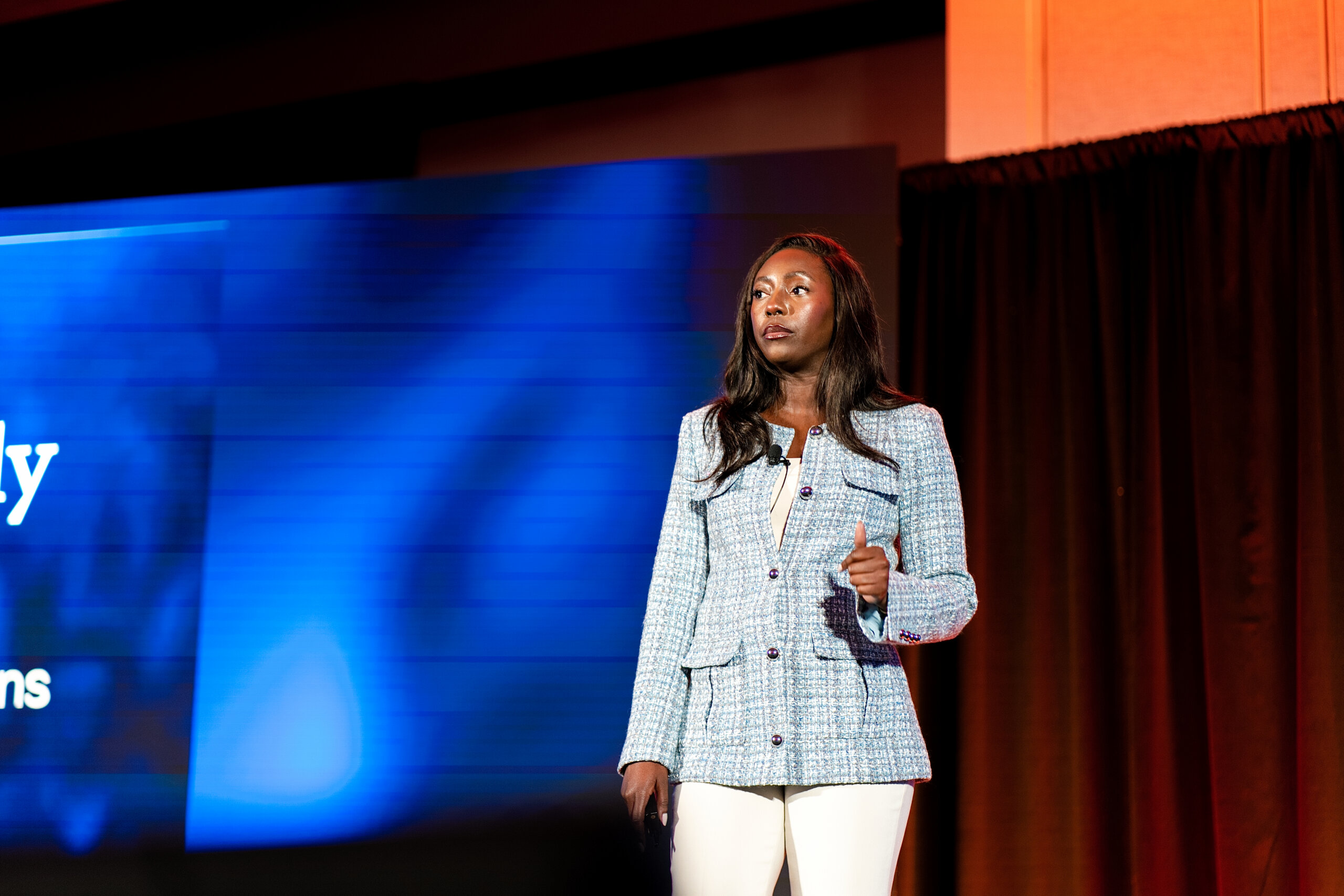
Dodd found that same idea at the center of NeoSummit 2026. “They brought people who were going to support their platform and who they partner with, so that you could understand how it could be beneficial for your firm,” noted Dodd. For someone responsible for how every piece of a firm fits together, that changed the conversation. Instead of asking which tool to buy, attendees could see how case management, medical records, and the other parts of a case connect. “It was a huge partnership, and you could tell there was collaboration in a way that you don’t really see at other conferences.”
That focus extended to the reasoning behind each decision. There was a real emphasis, Dodd says, on “making sure that people understood the why behind why they were partnering with certain vendors and how they could make that work for their clients.”
It’s the same question operations leaders ask every day: not just what a tool does, but how it fits with everything else holding the firm together.
who’s holding your firm together?
Every firm has someone like Dodd, the person who sees how every case, team, and tool connects, and who notices first when they don’t.
The question for firm leaders isn’t whether those people exist. It’s whether they’re holding the firm together by design, with clear workflows, the right tools, and a team that understands why.
The people who keep law firms running will come together at NeoSummit 2027, April 27-29 at JW Marriott Desert Springs in Palm Desert to share ideas on how to bring people, processes, and technology together. Register to be a part of defining tomorrow.