A great musician can pick up a different instrument and still sound like themselves.
The instrument matters. It can expand what they’re capable of creating. It can make something easier, faster or possible for the first time. But, the instrument isn’t the music.
I think about AI in much the same way.
There is an enormous amount of attention being paid right now to what AI can do. What can it automate? What can it generate? Which task can it perform next? Those are important questions. But as a product builder, I think there is a more interesting one:
What becomes possible for people when the technology around them gets better?
the future isn’t just one tool.
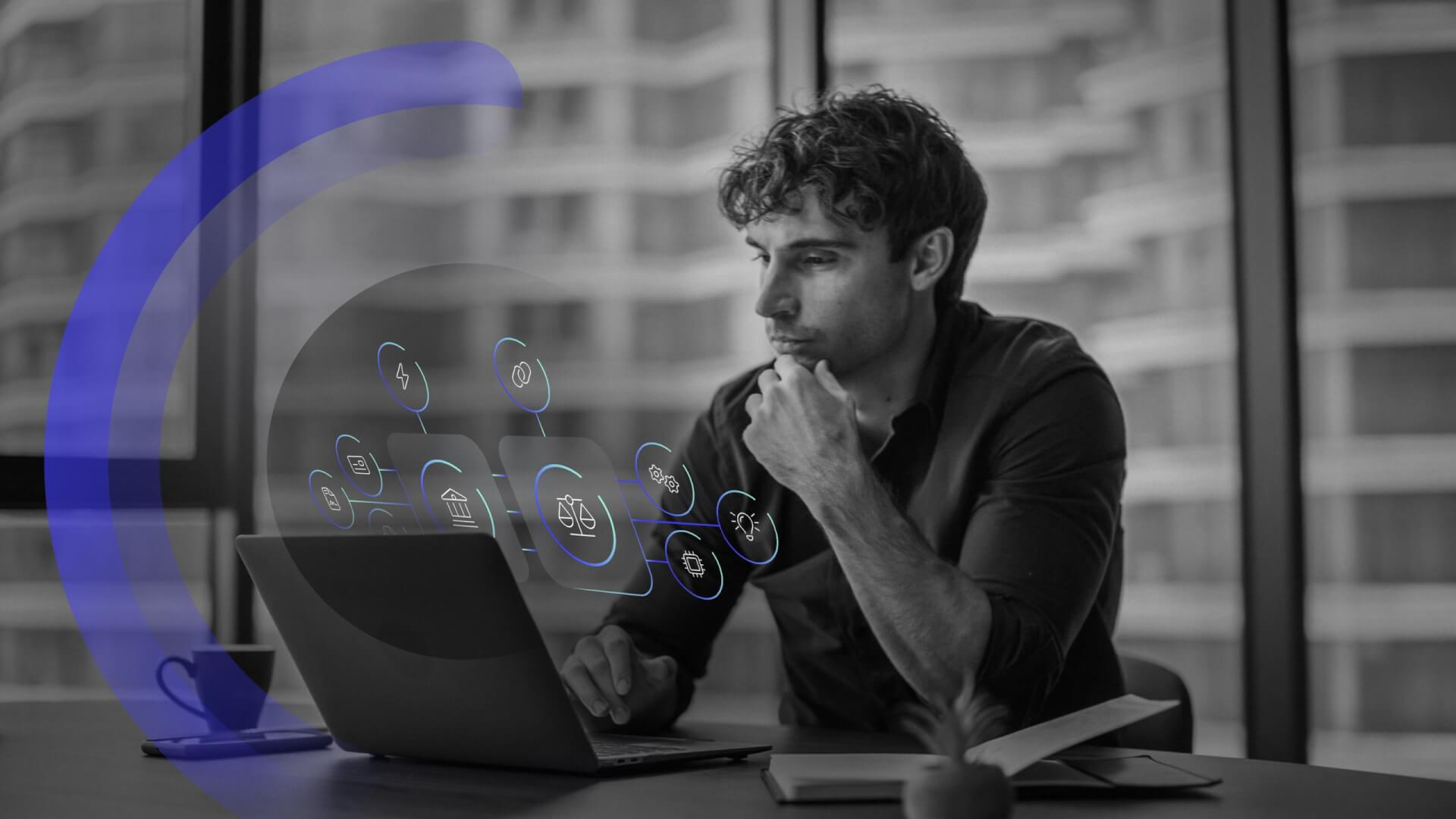
We’re already seeing legal teams adopt specialized technology for different parts of their work. Research. Document review. Drafting. Data analysis. Communication. Workflow automation. AI will accelerate that.
I don’t think the answer is going to be one enormous piece of software that magically does everything. In many cases, the better answer will be specialized tools that are very good at particular things.
But that creates another problem: Complexity.
The more technology we introduce, the more connections someone has to manage. Data has to move between systems. Permissions have to follow it. Workflows have to connect. Information has to reach the right person at the right point in the process.
If the user has to think about all of that every day, we haven’t solved the problem, we’ve moved it.
good technology absorbs complexity, not adds to it.
One of the things I believe strongly as a product leader is that complexity underneath a system should not automatically become complexity for the person using it.
Legal work is complicated. That’s reality. The technology supporting it doesn’t need to make it more complicated. The challenge for product builders is creating an environment flexible enough to accommodate how people actually work while making all of the machinery underneath it feel simple.
That becomes even more important as AI enters more workflows.
How much we can automate should not be the only thing you think about. How can we create an environment where people can use the best tools for the job without having to manage all of the complexity connecting them is the most important.
That’s a very different product problem.
AI as an instrument to improve capability.
AI can process enormous amounts of information. It can identify patterns. It can automate repetitive work. It can help people get through tasks that once required hours of manual effort.
We should use it for those things, but maximizing AI doesn’t necessarily mean maximizing automation.
There are parts of work where human judgment matters. Context matters. Creativity matters. Empathy matters. The real opportunity is to build technology that gives people more room to use them, not automate the human judgement out of them.
If AI can organize the information, a person has more time to interpret it. If technology can handle repetitive steps in a workflow, someone has more capacity to solve the unusual problem that doesn’t fit neatly into that workflow.
If systems can move information where it needs to go, people can spend less time managing technology and more time using their expertise. To me, that’s a much more interesting measure of innovation than simply asking how many tasks we’ve automated.
the best technology is invisible.
Some of the best technology is technology you eventually stop thinking about.
The integrations work. The information is where you expect it to be. The workflow moves. The right person has access to the right information. The complexity still exists underneath it all. The user just doesn’t have to carry it.
That’s what good systems thinking looks like to me.
And as AI becomes part of more of the technology we use every day, I think that principle becomes even more important. We shouldn’t be building AI just so we can say something has AI in it. We should be building better environments for people to work in.
a better instrument equals better possibilities.
Technology will keep changing. The instruments will get more powerful. New ones will appear. Some will fundamentally change how work gets done.
The point of an instrument has never been the instrument itself, It’s what someone can create with it.
That’s the opportunity I see with AI: Not replacing the people behind the work, not automating something simply because we can, and giving talented people better instruments and seeing what becomes possible when we do.